- Are you sure with which girlfriend you are going to go?
- Has the date been planned?
- Has the table been reserved in a hotel?
- Has the dress code been taken care of?
- Has the ring you had bought been taken with a decorative packing?
- Has the roses or other flowers that your date adores been kept ready?
- Has your hairstyle been checked and proffesional shave and cut been made?
- Has the greeting card and an expressive letter been made ready?
- Has the romantic speech been prepared?
- Has the film ticket been booked?
Thursday, December 10, 2009
CHECKLIST
When you meet your valentine.......

Friday, December 4, 2009


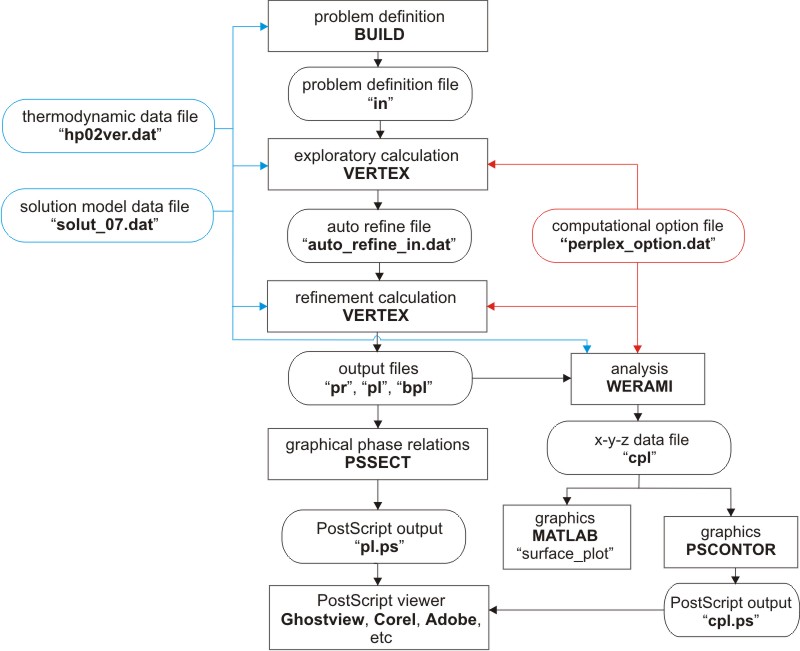
Wednesday, November 4, 2009
EXTRACTION OF GOLD
Gold occurs principally as a native metal, usually alloyed to a greater or lesser extent with silver or sometimes with mercury ( amalgam). Native gold can occur as sizeable nuggets, as fine grains or flakes in alluvial deposits, or as grains or microscopic particles embedded in other rocks. Gravity concentration has been historically the most important way of extracting the native metal using pans or washing tables. However, froth flotation processes may also be used to concentrate the gold. Froth flotation is usually applied when the gold present in an ore is closely associated with sulfide minerals such as pyrite. In this case, concentration of the sulfides results in concentration of gold values. Generally, recovery of the gold from the sulfide concentrates requires further processing, usually by roasting or wet pressure oxidation. If the gold cannot be concentrated for smelting, then it is leached by an aqueous solution:
- The cyanide process is the industry standard.
- Thiosulfate leaching has been proven to be effective on ores with high soluble copper values
A "refractory" gold ore is an ore that is naturally resistant to recovery by standard cyanidation and carbon adsorption processes. These refractory ores require pre-treatment in order for cyanidation to be effective in recovery of the gold. A refractory ore generally contains sulfide minerals, organic carbon, or both .Pre-treatment options for refractory ores include:
- Roasting
- Bio-oxidation
- Pressure oxidation
- Ultrafine grinding
Friday, October 9, 2009
Letter to the Editor
Kavitha Saravanan
B-4 LIG Flats
Pushpa Nagar
Nungambakkam
Chennai-600034
2nd October 2009
The Editor
THE HINDU
Chennai
Sir,
Sub: Mockery of Justice
This is in the reference with on going trial of dangerous terrorist 'Ajmal Amir Kasab'. Nearly one year back on 26/11/08 the whole world witnessed the dance of terror which left thousand dead and unknown figure of injured and a huge destruction in Mumbai. There is no need to elaborate the horror of this incident because the whole world watched whole drama on TV set. There was live coverage; thousands of video footage is there which is telling the whole story of this massacre. But since now ten months have passed and nothing has been done into this case.
Is there any doubt in the role of Ajmal Amir Kasab in this heinous act? Why he has not been punished yet. What are the authorities waiting for, are they waiting for some kind of trading. So, that Ajmal Amir Kasab’s fellow terrorists kidnap some prominent leaders relative and they can get the release of kasab. So many similar incidents has happened in past. When the terrorist got release of other terrorist in prison, in exchange of some high profile political leader’s abducted relative. Committing mistakes is not wrong but falling in same pit again and again is an act of foolishness and destruction. Before it gets too late this is right time when our country wake up and ensure that similar incidents don’t take place in future.
I request authorities to punish the guilty and ensure justice otherwise, ‘Ajmal Amir Kasab’ will be free one day and will continue to be threat to the whole of the humanity.
Thanking you,
Yours truly,
(S. Kavitha)
B-4 LIG Flats
Pushpa Nagar
Nungambakkam
Chennai-600034
2nd October 2009
The Editor
THE HINDU
Chennai
Sir,
Sub: Mockery of Justice
This is in the reference with on going trial of dangerous terrorist 'Ajmal Amir Kasab'. Nearly one year back on 26/11/08 the whole world witnessed the dance of terror which left thousand dead and unknown figure of injured and a huge destruction in Mumbai. There is no need to elaborate the horror of this incident because the whole world watched whole drama on TV set. There was live coverage; thousands of video footage is there which is telling the whole story of this massacre. But since now ten months have passed and nothing has been done into this case.
Is there any doubt in the role of Ajmal Amir Kasab in this heinous act? Why he has not been punished yet. What are the authorities waiting for, are they waiting for some kind of trading. So, that Ajmal Amir Kasab’s fellow terrorists kidnap some prominent leaders relative and they can get the release of kasab. So many similar incidents has happened in past. When the terrorist got release of other terrorist in prison, in exchange of some high profile political leader’s abducted relative. Committing mistakes is not wrong but falling in same pit again and again is an act of foolishness and destruction. Before it gets too late this is right time when our country wake up and ensure that similar incidents don’t take place in future.
I request authorities to punish the guilty and ensure justice otherwise, ‘Ajmal Amir Kasab’ will be free one day and will continue to be threat to the whole of the humanity.
Thanking you,
Yours truly,
(S. Kavitha)
Writing Instructions
Instructions to be followed by people living in areas under risk of tsunami are:
• Find out if your home, school, workplace, or other frequently visited locations are in tsunami hazard areas.
• Know the height of your street above sea level and the distance of your street from the coast or other high-risk waters. Evacuation orders may be based on these numbers
• Plan evacuation routes from your home, school, workplace, or any other place
You could be where tsunamis present a risk. If possible, pick areas (30 meters) above sea level or go as far as 3 kilometers inland, away from the coastline. Follow posted tsunami evacuation routes; these will lead to safety. Local emergency management officials can advise you on the best route to safety and likely shelter locations.
• Find out what the school evacuation plan is if your children's school is in an identified inundation zone. Find out if the plan requires you to pick your children up from school or from another location. Telephone lines during a tsunami watch or warning may be overloaded and routes to and from schools may be jammed.
• Practice your evacuation routes. Familiarity may save your life. Be able to follow your escape route at night and during inclement weather. Practicing your plan makes the appropriate response more of a reaction, requiring less thinking during an actual emergency situation.
• Use a Weather Radio or stay tuned to a local radio or television station to keep informed of local watches and warnings.
• Talk to your insurance agent. Homeowners' policies may not cover flooding from a tsunami. Ask about the Flood Insurance Program.
• Discuss tsunamis with your family. Everyone should know what to do in a tsunami situation. Discussing tsunamis ahead of time will help reduce fear and save precious time in an emergency. Review flood safety and preparedness measures with your family.
• Find out if your home, school, workplace, or other frequently visited locations are in tsunami hazard areas.
• Know the height of your street above sea level and the distance of your street from the coast or other high-risk waters. Evacuation orders may be based on these numbers
• Plan evacuation routes from your home, school, workplace, or any other place
You could be where tsunamis present a risk. If possible, pick areas (30 meters) above sea level or go as far as 3 kilometers inland, away from the coastline. Follow posted tsunami evacuation routes; these will lead to safety. Local emergency management officials can advise you on the best route to safety and likely shelter locations.
• Find out what the school evacuation plan is if your children's school is in an identified inundation zone. Find out if the plan requires you to pick your children up from school or from another location. Telephone lines during a tsunami watch or warning may be overloaded and routes to and from schools may be jammed.
• Practice your evacuation routes. Familiarity may save your life. Be able to follow your escape route at night and during inclement weather. Practicing your plan makes the appropriate response more of a reaction, requiring less thinking during an actual emergency situation.
• Use a Weather Radio or stay tuned to a local radio or television station to keep informed of local watches and warnings.
• Talk to your insurance agent. Homeowners' policies may not cover flooding from a tsunami. Ask about the Flood Insurance Program.
• Discuss tsunamis with your family. Everyone should know what to do in a tsunami situation. Discussing tsunamis ahead of time will help reduce fear and save precious time in an emergency. Review flood safety and preparedness measures with your family.
Wednesday, October 7, 2009
Letter of Invitation
Kalavakkam, Thiruporur,
Chennai.
01 October 2009
Dr. A.P.J. Abdul Kalam
Former President of
Professor of
Dear Dr. Kalam,
My name is Karthikeyan.E, and I am writing on behalf of the students of Sri Sivasubramaniya Nadar College of Engineering. Your role as The President of India and as a professor of
Our college was founded by Dr.Shiv Nadar, Chairman HCL Technologies in 1997. Within a short period of time our college has been ranked first in all aspects by
The purpose of this letter is to formally invite you for “INSTINCTS 2K9”. It will be held at our college’s main auditorium from October 10 to 13, 2009. We expect attendance this year to be the highest ever; with over 2000 students and 350 professors and lecturers.
We will bear all your travel expenses. We have arranged for a special lunch for you at noon. Will you please be our guest speaker at the opening ceremony on October 10, 2009 at the main auditorium? By accepting this invitation, you will acquaint our students with the various opportunities for improving their knowledge and ability.
Could you please let us know if you will be able to attend, by phoning the college on 4455 6677 before Monday 5th October?
We look forward to see you there.
Yours sincerely
E.Karthikeyan
E.Karthikeyan
Letter of Acceptance
A.P.J. Abdul Kalam
Prof. of
Chennai.
October 4, 2009
Mr.E.Karthikeyan
Kalavakkam, Thiruporur
Chennai.
Dear Mr.E.Karthikeyan
Thank you for your kind letter inviting me to speak at the opening ceremony of “INSTINCTS” on 10 October 2009.
I have much pleasure in accepting your invitation, and confirm that I shall require overnight accommodation on 9 October 2009. I will indeed be most happy to attend the ceremony and give a talk on the topic “Young India”. Participating in such a conference will give me an opportunity not only to talk about the subject of my interest, but also to see many students and professors at the same place.
I look forward to meet you and other members of your college at the ceremony and wish
you every success.
Yours sincerely
A.P.J.Abdul Kalam
A.P.J.Abdul Kalam
Rejecting Invitation
October 2, 2009
Dr.A.P.J .Abdul kalam
chairman
SAC-C
32 Nehru Street
New Delhi
Dear Mr Manojkumar:
I am pleased and honoured by the invitation to participate in the symposium organized by your college, which is to be held in SSN College of Engineering, October 5-10,2009.
I must apologize for the slight delay in replying to your letter. I have just returned from Delhi after a conference and did not have your address at hand. I did write, however, to Mr Salivahanan, who is to be organiser of the session in which I was invited.
I very much regret to say that it will not be possible for me to make any major trip in the autumn owing to bad health. The only thing I can do is send a few comments to Mr Salivahanan for him to use as he sees fit. Needless to emphasize that - were my health better - I should be delighted to attend your symposium, which promises to be a great event. Thank you once more for honouring me with your invitation.
With every good wish for the success of the symposium.
Yours sincerely,
SIGNATURE
Dr.A.P.J.Abdul kalam
chairman
SAC-C
32 Nehru Street
New Delhi
Dear Mr Manojkumar:
I am pleased and honoured by the invitation to participate in the symposium organized by your college, which is to be held in SSN College of Engineering, October 5-10,2009.
I must apologize for the slight delay in replying to your letter. I have just returned from Delhi after a conference and did not have your address at hand. I did write, however, to Mr Salivahanan, who is to be organiser of the session in which I was invited.
I very much regret to say that it will not be possible for me to make any major trip in the autumn owing to bad health. The only thing I can do is send a few comments to Mr Salivahanan for him to use as he sees fit. Needless to emphasize that - were my health better - I should be delighted to attend your symposium, which promises to be a great event. Thank you once more for honouring me with your invitation.
With every good wish for the success of the symposium.
Yours sincerely,
SIGNATURE
Dr.A.P.J.Abdul kalam
Benefits of the Internet
The Internet has been around for more than two decades. As time went on, more and more people are connected to the Internet because they have discovered that the Internet is beneficial to them. Firstly, the internet is the best way to communicate efficiently. With the Internet, people are able to send e-mails and the recipients will receive the message in just a matter of seconds. The sender is also able to attach files and pictures, and is able to send copies to as many people as they want at the click of the mouse. In addition, with the Internet, family members and friends are able to have a chat "live" in real time. Another benefit of using the Internet is, vast amounts of information is available 24-hours a day. This is because the Internet never shuts down at night. The information is useful for students, researchers and anyone interested in seeking additional knowledge. Lastly, the Internet also allows lonely singles to look for their ideal life partner via online matchmaking websites. The best thing is, some websites offer free matchmaking services, and it has worked for thousands of people who have used such services. As the result of these advantages, millions of people are now connected to the Internet.
posted by:M.MANOJKUMAR
Wednesday, February 11, 2009
Extended definition
Sickle Cell Anemia
Sickle cell anemia is a congenital hemolytic anemia that occurs primarily but not exclusively in Blacks.
The condition results from a defective hemoglobin molecule (hemoglobin S) which causes red blood
cells (RBCs) to roughen and become sickle-shaped. Such cells impair circulation, resulting in chronic ill
health (fatigue, dyspnea on exertion, and swollen joints), periodic crises, long-term complications, and
premature death. At present, only symptomatic treatment is available. Half of such patients die by their
early 20s; few live to middle age.
Causes and Incidence
Sickle cell anemia results from homozygous inheritance of the hemoglobin S-producing gene, which
causes substitution of the amino acid valine for glutamic acid in the B hemoglobin chain. Heterozygous
inheritance of this gene results in sickle cell trait, generally an asymptomatic condition. Sickle cell
anemia is most common in tropical Africans and in persons of African descent. About 1 in 10 Afro-
Americans carries the abnormal gene. If two such carriers have offspring, there is a 1 in 4 chance that
each child will have the disease. Overall, 1 in every 400 to 600 Black children has sickle cell anemia. This
disease also occurs in Puerto Rico, Turkey, India, the Middle East, and the Mediterranean area. Possibly,
the defective hemoglobin S-producing gene has persisted because in areas where malaria is endemic,
the heterozygous sickle cell trait provides resistance to malaria and is actually beneficial.
Figure 1. Passage of the sickle cell gene from parents to offspring
The abnormal hemoglobin S found in such patients' RBCs becomes insoluble whenever hypoxia occurs.
As a result, these RBCs become rigid, rough, and elongated, forming a crescent or sickle shape. Such
sickling can produce hemolysis (cell destruction). In addition, these altered cells tend to pile up in
capillaries and smaller blood vessels, making the blood more viscous. Normal circulation is impaired,
causing pain, tissue infarctions, and swelling. Such blockage causes anoxic changes that lead to further
sickling and obstruction.
Figure 2. Normal and sickled red blood cells
Signs and Symptoms
A number of symptoms are associated with sickle cell anemia, and in particular several types of crises.
Symptoms. Characteristically, sickle cell anemia produces tachycardia, cardiomegaly, systolic and
diastolic murmurs, pulmonary infarctions (which may result in cor pulmonale), chronic fatigue,
unexplained dyspnea or dyspnea on exertion, hepatomegaly, jaundice, pallor, joint swelling, aching
bones, chest pains, ischemic leg ulcers (especially around the ankles), and increased susceptibility to
infection. Such symptoms usually don't develop until after 6 months of age, since large amounts of fetal
hemoglobin protect infants for the first few months after birth. Low socioeconomic status and related
problems, such as poor nutrition and low educational levels, may delay diagnosis and supportive
treatment.
Periodic crises. Infection, stress, dehydration, and conditions that provoke hypoxia--strenuous exercise,
high altitude, unpressurized aircraft, cold, and vasoconstrictive drugs--may all provoke periodic crisis.
Painful crisis. A painful crisis (vaso-occlusive crisis, infarctive crisis), the most common crisis and the
hallmark of this disease, usually doesn't appear until age 5 but recurs periodically thereafter. It results
from blood vessel obstruction by rigid, tangled sickle cells, which causes tissue anoxia and possibly
necrosis. It is characterized by severe abdominal, thoracic, muscular, or bone pain and possibly
increased jaundice, dark urine, or a low-grade fever. Autosplenectomy, in which splenic damage and
scarring is so extensive that the spleen shrinks and becomes impalpable, occurs in patients with longterm
disease. Such autosplenectomy can lead to increased susceptibility to Diplococcus pneumoniae
sepsis, which can be fatal without prompt treatment. After the symptoms of crisis subside (in 4 days or
several weeks), infection may develop, often indicated by lethargy, sleepiness, fever, or apathy.
Anaplastic crisis. Associated with infection is the anaplastic crisis (megaloblastic crisis) which results
from bone marrow depression and is associated with infection, usually viral. It is characterized by pallor,
lethargy, sleepiness, dyspnea, possible coma, markedly decreased bone marrow activity, and RBC
hemolysis.
Acute sequestration crisis. In infants between 8 months and 2 years old, an acute sequestration crisis
may cause sudden massive entrapment of red cells in the spleen and liver. This rare crisis causes
lethargy and pallor, and if untreated, can progress hypovolemic shock and death. In fact, it's the most
common cause of death in sickle cell children under 1 year.
Hemolytic crisis. Hemolytic crises are quite rare and usually occur in patients who have glucose-6-
phosphate dehydrogenase (G-6-PD) deficiency with sickle cell anemia. It probably results from
complications of sickle cell anemia, such as infection, rather than from the disorder itself. Hemolytic
crisis causes liver congestion and hepatomegaly as a result of degenerative changes. It worsens chronic
jaundice although increased jaundice doesn't always point to a hemolytic crisis.
Any of these crises are possible in sickle cell anemia patients with pale lips, tongue, palms, or nail beds;
lethargy; listlessness; sleepiness, with difficulty awakening; irritability; severe pain; temperature over
104# F (40# C) or a fever of 100# F (38# C) that persists for 2 days.
Long-Term Complications. Sickle cell anemia also causes a number of long-term complications. Typically,
children with sickle cell anemia are small for the age, and puberty is delayed. (However, fertility is not
impaired.) If they reach adulthood, their bodies tend to be spiderlike--narrow shoulders and hips, long
extremities, curved spine, barrel chest, and elongated skull. An adult usually has complications
stemming from infarction of various organs, such as retinopathy and nephropathy. Premature death
usually results from infection, or repeated occlusion of small blood vessels and consequent infarction or
necrosis of major organs. For example, cerebral blood vessel occlusion causes cerebrovascular accident.
Diagnosis
A positive family history and typical clinical features suggest sickle cell anemia; a stained blood smear
showing sickle cells, and hemoglobin electrophoresis showing hemoglobin S confirm it. Ideally,
electrophoresis should be done on umbilical cord blood samples at birth, especially if the parents are
known to carry the sickle cell trait. Additional lab studies show low RBC, elevated WBC and platelet
count, decreased erythrocyte sedimentation rate (ESR), increased serum iron, decreased RBC survival,
and reticulocytosis. Hemoglobin may be low or normal. During early childhood, palpation may reveal
splenomegaly, but as the child grows older, the spleen shrinks and splenic function is impaired.
Treatment
Treatment is primarily symptomatic and can usually take place at home. If the patient's hemoglobin
drops suddenly, as in an anaplastic crisis, or if his condition deteriorates rapidly, hospitalization is
needed for transfusion of packed red cells. In a sequestration crisis, treatment may include blood
transfusion, oxygen administration, and large amounts of oral or I.V. fluids. So far, research to find an
effective antisickling agent hasn't been successful.
Sickle cell anemia is a congenital hemolytic anemia that occurs primarily but not exclusively in Blacks.
The condition results from a defective hemoglobin molecule (hemoglobin S) which causes red blood
cells (RBCs) to roughen and become sickle-shaped. Such cells impair circulation, resulting in chronic ill
health (fatigue, dyspnea on exertion, and swollen joints), periodic crises, long-term complications, and
premature death. At present, only symptomatic treatment is available. Half of such patients die by their
early 20s; few live to middle age.
Causes and Incidence
Sickle cell anemia results from homozygous inheritance of the hemoglobin S-producing gene, which
causes substitution of the amino acid valine for glutamic acid in the B hemoglobin chain. Heterozygous
inheritance of this gene results in sickle cell trait, generally an asymptomatic condition. Sickle cell
anemia is most common in tropical Africans and in persons of African descent. About 1 in 10 Afro-
Americans carries the abnormal gene. If two such carriers have offspring, there is a 1 in 4 chance that
each child will have the disease. Overall, 1 in every 400 to 600 Black children has sickle cell anemia. This
disease also occurs in Puerto Rico, Turkey, India, the Middle East, and the Mediterranean area. Possibly,
the defective hemoglobin S-producing gene has persisted because in areas where malaria is endemic,
the heterozygous sickle cell trait provides resistance to malaria and is actually beneficial.
Figure 1. Passage of the sickle cell gene from parents to offspring
The abnormal hemoglobin S found in such patients' RBCs becomes insoluble whenever hypoxia occurs.
As a result, these RBCs become rigid, rough, and elongated, forming a crescent or sickle shape. Such
sickling can produce hemolysis (cell destruction). In addition, these altered cells tend to pile up in
capillaries and smaller blood vessels, making the blood more viscous. Normal circulation is impaired,
causing pain, tissue infarctions, and swelling. Such blockage causes anoxic changes that lead to further
sickling and obstruction.
Figure 2. Normal and sickled red blood cells
Signs and Symptoms
A number of symptoms are associated with sickle cell anemia, and in particular several types of crises.
Symptoms. Characteristically, sickle cell anemia produces tachycardia, cardiomegaly, systolic and
diastolic murmurs, pulmonary infarctions (which may result in cor pulmonale), chronic fatigue,
unexplained dyspnea or dyspnea on exertion, hepatomegaly, jaundice, pallor, joint swelling, aching
bones, chest pains, ischemic leg ulcers (especially around the ankles), and increased susceptibility to
infection. Such symptoms usually don't develop until after 6 months of age, since large amounts of fetal
hemoglobin protect infants for the first few months after birth. Low socioeconomic status and related
problems, such as poor nutrition and low educational levels, may delay diagnosis and supportive
treatment.
Periodic crises. Infection, stress, dehydration, and conditions that provoke hypoxia--strenuous exercise,
high altitude, unpressurized aircraft, cold, and vasoconstrictive drugs--may all provoke periodic crisis.
Painful crisis. A painful crisis (vaso-occlusive crisis, infarctive crisis), the most common crisis and the
hallmark of this disease, usually doesn't appear until age 5 but recurs periodically thereafter. It results
from blood vessel obstruction by rigid, tangled sickle cells, which causes tissue anoxia and possibly
necrosis. It is characterized by severe abdominal, thoracic, muscular, or bone pain and possibly
increased jaundice, dark urine, or a low-grade fever. Autosplenectomy, in which splenic damage and
scarring is so extensive that the spleen shrinks and becomes impalpable, occurs in patients with longterm
disease. Such autosplenectomy can lead to increased susceptibility to Diplococcus pneumoniae
sepsis, which can be fatal without prompt treatment. After the symptoms of crisis subside (in 4 days or
several weeks), infection may develop, often indicated by lethargy, sleepiness, fever, or apathy.
Anaplastic crisis. Associated with infection is the anaplastic crisis (megaloblastic crisis) which results
from bone marrow depression and is associated with infection, usually viral. It is characterized by pallor,
lethargy, sleepiness, dyspnea, possible coma, markedly decreased bone marrow activity, and RBC
hemolysis.
Acute sequestration crisis. In infants between 8 months and 2 years old, an acute sequestration crisis
may cause sudden massive entrapment of red cells in the spleen and liver. This rare crisis causes
lethargy and pallor, and if untreated, can progress hypovolemic shock and death. In fact, it's the most
common cause of death in sickle cell children under 1 year.
Hemolytic crisis. Hemolytic crises are quite rare and usually occur in patients who have glucose-6-
phosphate dehydrogenase (G-6-PD) deficiency with sickle cell anemia. It probably results from
complications of sickle cell anemia, such as infection, rather than from the disorder itself. Hemolytic
crisis causes liver congestion and hepatomegaly as a result of degenerative changes. It worsens chronic
jaundice although increased jaundice doesn't always point to a hemolytic crisis.
Any of these crises are possible in sickle cell anemia patients with pale lips, tongue, palms, or nail beds;
lethargy; listlessness; sleepiness, with difficulty awakening; irritability; severe pain; temperature over
104# F (40# C) or a fever of 100# F (38# C) that persists for 2 days.
Long-Term Complications. Sickle cell anemia also causes a number of long-term complications. Typically,
children with sickle cell anemia are small for the age, and puberty is delayed. (However, fertility is not
impaired.) If they reach adulthood, their bodies tend to be spiderlike--narrow shoulders and hips, long
extremities, curved spine, barrel chest, and elongated skull. An adult usually has complications
stemming from infarction of various organs, such as retinopathy and nephropathy. Premature death
usually results from infection, or repeated occlusion of small blood vessels and consequent infarction or
necrosis of major organs. For example, cerebral blood vessel occlusion causes cerebrovascular accident.
Diagnosis
A positive family history and typical clinical features suggest sickle cell anemia; a stained blood smear
showing sickle cells, and hemoglobin electrophoresis showing hemoglobin S confirm it. Ideally,
electrophoresis should be done on umbilical cord blood samples at birth, especially if the parents are
known to carry the sickle cell trait. Additional lab studies show low RBC, elevated WBC and platelet
count, decreased erythrocyte sedimentation rate (ESR), increased serum iron, decreased RBC survival,
and reticulocytosis. Hemoglobin may be low or normal. During early childhood, palpation may reveal
splenomegaly, but as the child grows older, the spleen shrinks and splenic function is impaired.
Treatment
Treatment is primarily symptomatic and can usually take place at home. If the patient's hemoglobin
drops suddenly, as in an anaplastic crisis, or if his condition deteriorates rapidly, hospitalization is
needed for transfusion of packed red cells. In a sequestration crisis, treatment may include blood
transfusion, oxygen administration, and large amounts of oral or I.V. fluids. So far, research to find an
effective antisickling agent hasn't been successful.
Subscribe to:
Comments (Atom)
